Written by Michael Sables ·
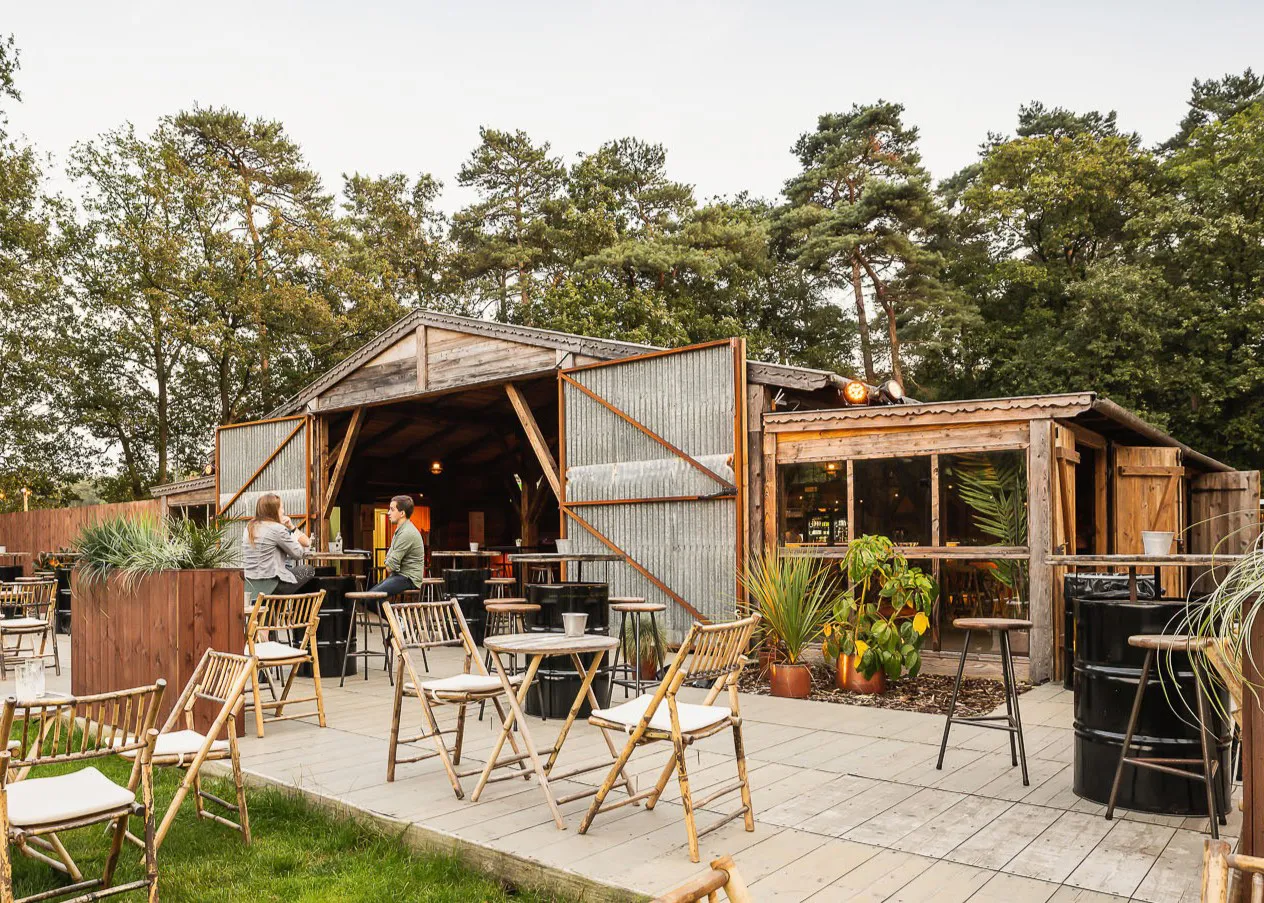
For years, the marquee has been the default.
Safe, familiar, and widely available. If you needed a temporary event space, that’s where you started. And in many cases, it still does the job.
But expectations have changed.
More planners are now looking beyond the standard white box — not because marquees don’t work, but because they don’t always deliver the kind of experience modern events demand.
The Blank Canvas Problem
The traditional marquee is often described as a blank canvas.
That’s its strength, but also its limitation.
Everything has to be added. Lighting, lining, flooring, bars, focal points, atmosphere. By the time it’s fully dressed, the structure itself disappears — and so does any inherent character.
For some events, that flexibility is ideal. For others, it creates more work, more cost, and a result that still feels temporary.
Atmosphere Is Now a Priority
Events are no longer just about capacity and cover.
They’re about how a space feels.
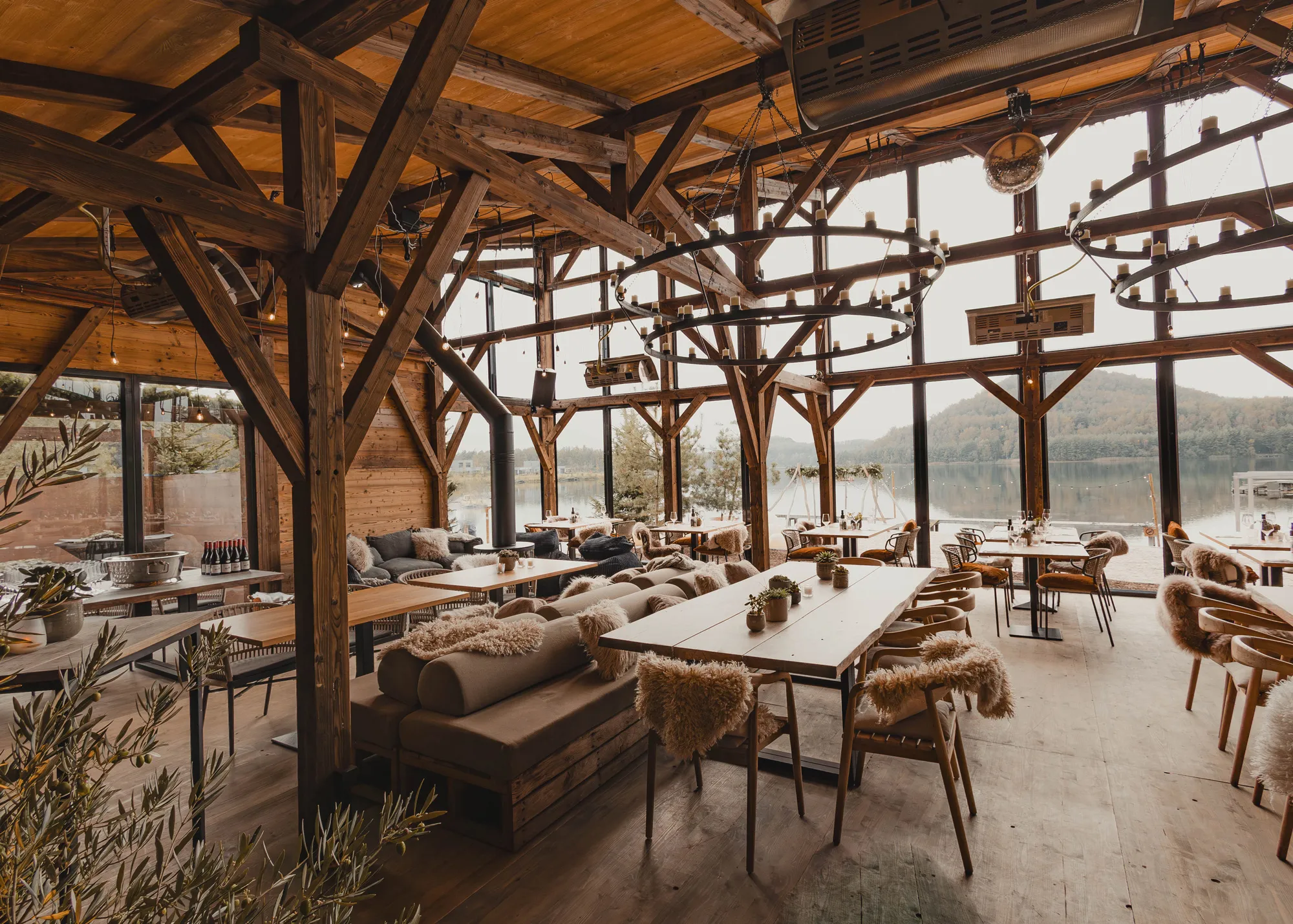
Guests notice materials, scale, light, and detail the moment they walk in. Timber frames, open beams, and defined architectural features create an immediate sense of place — something a standard marquee has to work hard to replicate.
This shift is especially visible in:
- Weddings moving towards rustic and natural settings
- Corporate events aiming for more relaxed, hospitality-led environments
- Brand activations that need visual identity built into the space
The structure is no longer just a container. It’s part of the experience.
Practical Considerations
It’s not just about aesthetics.
There are practical reasons planners are exploring alternatives:
- Weather performance — more rigid structures offer better insulation and stability
- Load capacity — easier integration for lighting, rigging and production
- Longevity — suitable for longer-term installs or repeat use
- Perception — a more solid build often translates to a more premium feel
That said, marquees still serve a purpose. They’re quick to deploy, cost-effective, and well suited to certain layouts and budgets.
The shift isn’t about replacement. It’s about choosing the right tool for the job.
Where Alternatives Make Sense
We’re seeing increased demand for structures that bring their own identity.
Spaces that don’t need to be completely transformed to feel finished.
That might be:
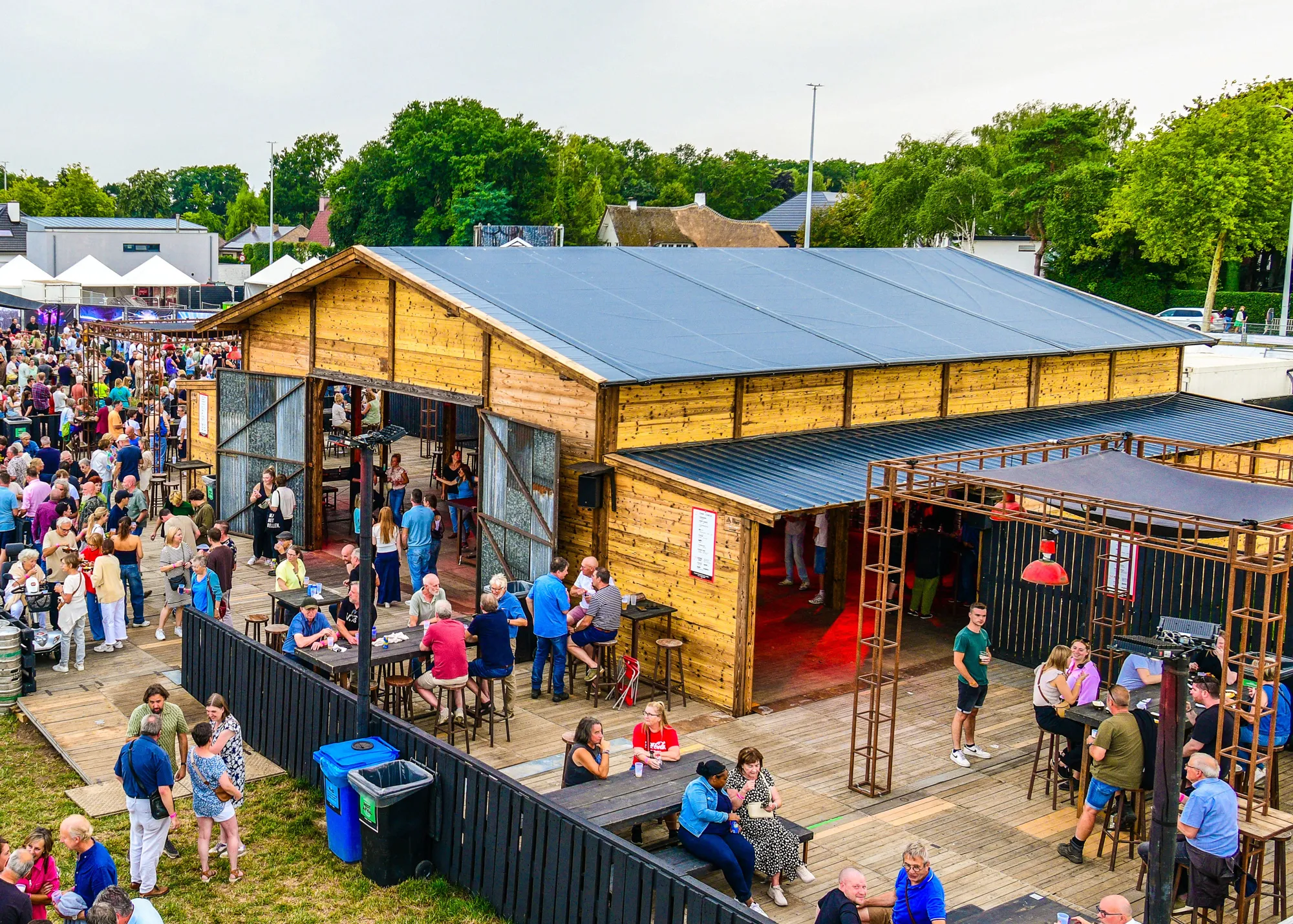
- A central barn-style structure as the main gathering space
- Covered walkways connecting different zones
- Hybrid setups combining clear-span areas with more character-led builds
These approaches reduce the reliance on heavy dressing and allow the environment itself to do more of the work.
A Different Starting Point
The conversation is changing.
Instead of asking, “How do we fill this space?”, planners are starting with, “What should this space feel like?”
That shift leads to different decisions from the outset — and often, better outcomes.
Our modular barn structures and rustic event builds are designed with that in mind. They provide a strong architectural base from the start, so less effort goes into creating atmosphere and more goes into refining the experience around it.
It’s not about moving away from marquees entirely.
It’s about raising the standard of what temporary event spaces can be.

Written by
Michael Sables
Creative Director
Michael Sables is a creative director and writer. He is passionate about design and its impact on experiences. He enjoys sharing his knowledge with others and helping them learn new things.